Citric Acid
Why citric acid appears in skincare, how it helps formulas reach a target pH, and what its label can tell you.
Extremely safeIn 137 products we cover
We may earn a commission when you buy through links on this page. It never changes what we recommend.
Quick facts
- INCI name
- Citric Acid
- CAS number
- 77-92-9
- Origin
- Biotech (fermentation) or Synthetic
- Chemical class
- Alpha hydroxy acid (tricarboxylic acid)
- What it does in a formula
- buffering, chelating, fragrance, skin conditioning
- Why it is in the formula
- Usually added in a small amount to adjust or buffer a formula's pH rather than exfoliate skin.
What it is
Although classified chemically as an alpha hydroxy acid, citric acid is primarily used in cosmetics as a pH buffer rather than an exfoliating treatment. Found naturally in citrus fruits, commercial grades are produced by industrial fermentation. Its appearance on an ingredient label does not mean the finished product has an exfoliating pH or delivers resurfacing effects.
In the products covered here, citric acid is mainly a formulation helper. It is often used in small amounts to bring a water-based product toward its intended pH or help keep that pH from shifting. It may appear in cleansers, moisturizers, and makeup. The ingredient list does not show the exact amount, and you cannot infer the finished product’s acidity from this name alone.
What it does
- Adjusts pH. A formulator can use citric acid to move a formula toward the acidity that suits its other ingredients and intended use.
- Helps buffer a formula. Paired with a suitable salt, it can help resist pH changes during storage and use.
- Can bind some metal ions. This supporting function can help with formula stability, depending on the formula.
- May be used as an exfoliating acid elsewhere. That is a different formulation purpose; this label name alone does not establish an exfoliating effect.
Who it suits
You do not need to avoid a product just because citric acid appears on its ingredient list. In a pH-adjusting role, it is not automatically an exfoliation step. Most skin types can consider the whole formula, its intended use, and how it feels on their skin. A rinse-off cleanser and a leave-on acid product are not interchangeable just because both list citric acid.
If you have very reactive skin, patch-test a new leave-on product and introduce one new formula at a time. Stinging or persistent discomfort is a reason to stop using that product, not proof that citric acid alone caused the reaction. For ongoing irritation or a skin condition, ask a dermatologist.
What to pair it with, and what not to
Citric acid used to adjust pH is already doing its job inside the formula, so you do not need to pair it with a special serum. If the product is marketed as an exfoliant, follow its directions and avoid piling several exfoliating products into the same routine until you know how your skin responds. Use sunscreen as part of daytime skincare.
Skin Realist check: A supporting ingredient does not need a starring role. The label is a recipe, not a personality test.
Quick picks with Citric Acid
Scent-free, no patch-test flags on the label
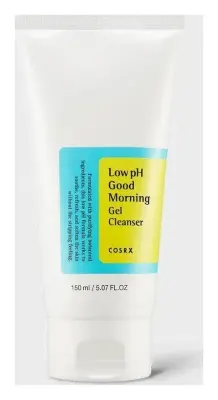
COSRX Low pH Good Morning Gel Cleanser
scent-free label
AmazonBrand lists it for sensitive skin
Dermalogica ultracalming cleanser
Panthenol, cucumber fruit extract, raspberry fruit extract · normal, dry, sensitive skin · scent-free label
AmazonBrand lists it for oily skin
Dermalogica dynamic skin retinol serum
Retinoid Complex 3.5% · oily, dry, combination, sensitive, normal skin · scented
Amazon
All 137 products with Citric Acid
Daily Moisturizers & Water Gel Creams (24)
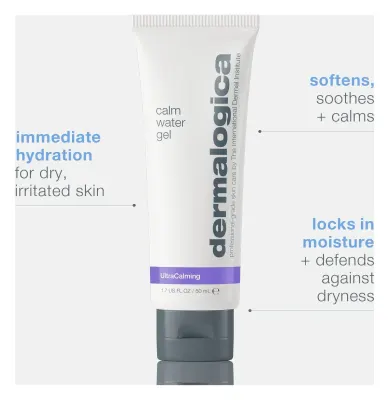 Dermalogica calm water gelAmazon
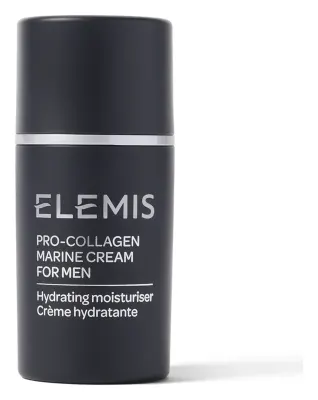 Elemis Pro-Collagen Marine Cream for MenAmazon
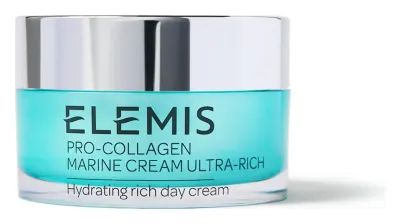 Elemis Pro-Collagen Marine Cream Ultra-RichAmazon
 Elemis Pro-Collagen Night CreamAmazon
 Dermalogica biolumin-c vitamin c gel moisturizerAmazon
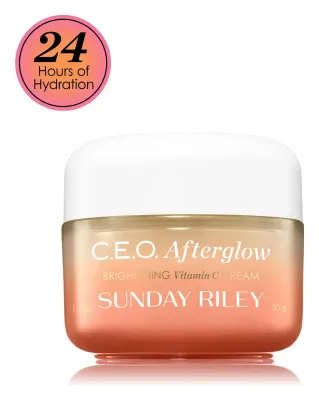 Sunday Riley C.E.O. Afterglow Brightening Vitamin C Gel CreamAmazon
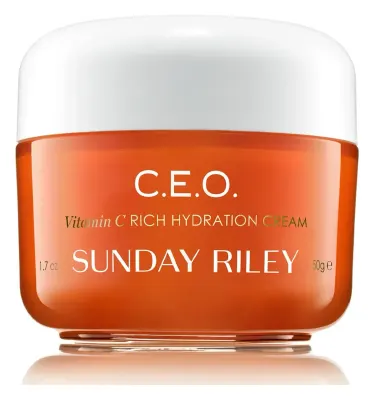 Sunday Riley C.E.O. Vitamin C Rich Hydration CreamAmazon
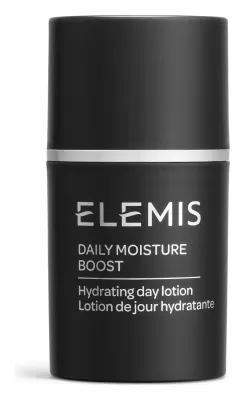 Elemis Daily Moisture BoostAmazon
 Dermalogica skin smoothing cream moisturizerAmazon
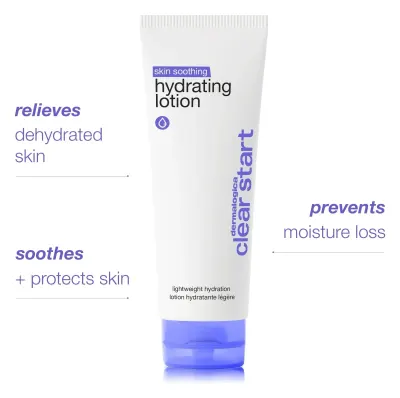 Dermalogica skin soothing hydrating lotionAmazon
 Elemis ULTRA SMART Pro-Collagen Day CreamAmazon
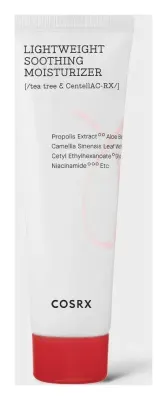 COSRX AC Collection Lightweight Soothing MoisturizerAmazon
 Dermalogica acne biotic moisturizerAmazon
 Perricone MD Cold Plasma Plus+ Advanced Hydrating ComplexAmazon
 Perricone MD Cold Plasma Plus+ Sub-D/NeckAmazon
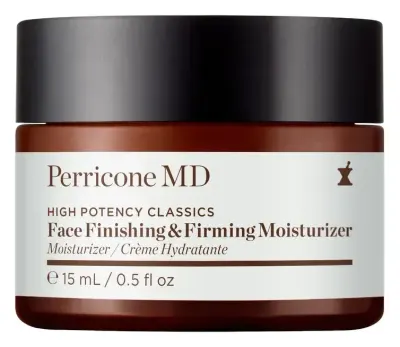 Perricone MD High Potency Classics Face Finishing & Firming MoisturizerAmazon
 Perricone MD High Potency Hyaluronic Intensive MoisturizerAmazon
 Dermalogica multivitamin power recovery creamAmazon
 Perricone MD Neuropeptide Pro-Strength Firming MoisturizerAmazon
 Dermalogica pro-collagen banking water creamAmazon
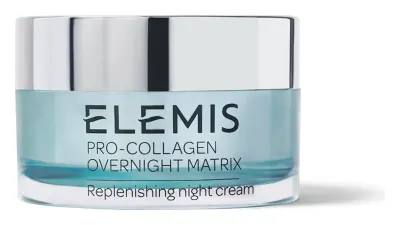 Elemis Pro-Collagen Overnight MatrixAmazon
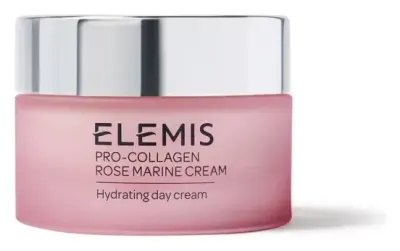 Elemis Pro-Collagen Rose Marine CreamAmazon
 Elemis Superfood Glow Priming MoisturiserAmazon
 Elemis ULTRA SMART Pro-Collagen Night GeniusAmazon
Gel, Foam & Cream Facial Cleansers (18)
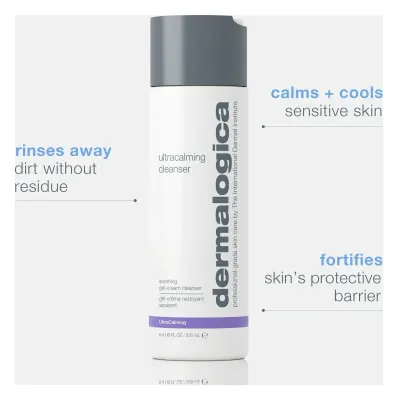 Dermalogica ultracalming cleanserAmazon
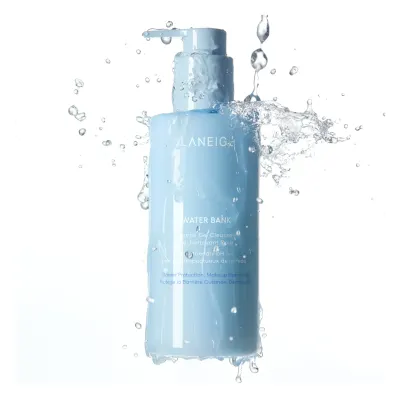 Laneige Water Bank Gentle Gel CleanserAmazon
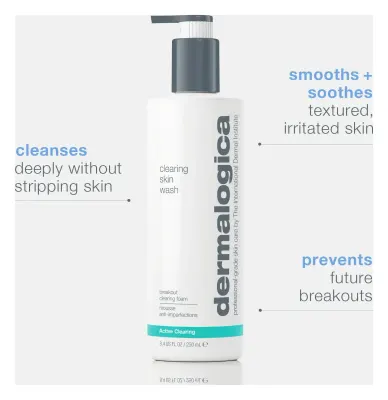 Dermalogica acne clearing skin washAmazon
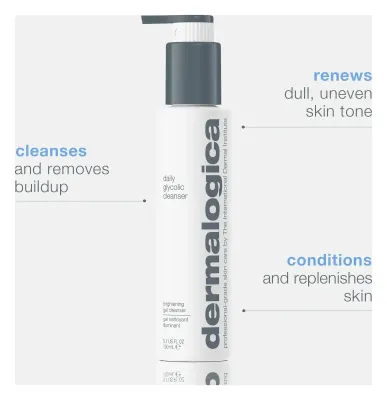 Dermalogica daily glycolic cleanserAmazon
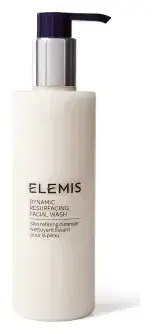 Elemis Dynamic Resurfacing Facial WashAmazon
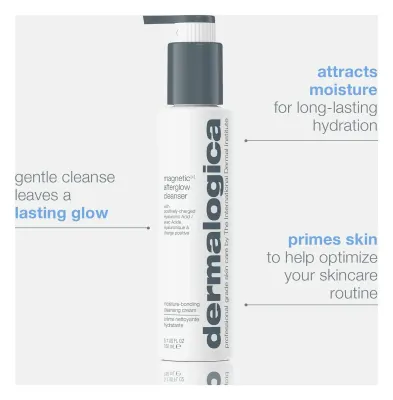 Dermalogica magnetic[+] afterglow cleanserAmazon
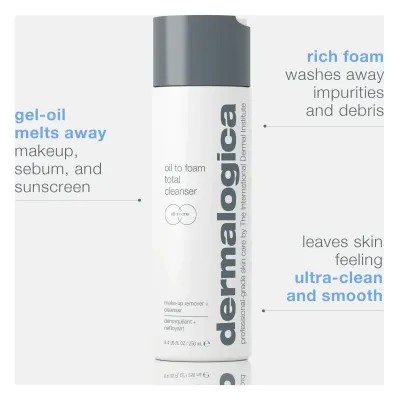 Dermalogica oil to foam total cleanserAmazon
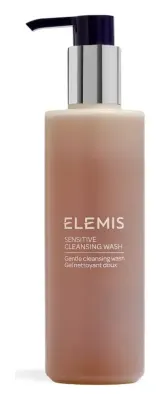 Elemis Sensitive Cleansing WashAmazon
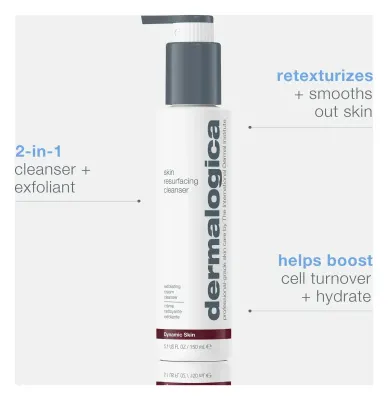 Dermalogica skin resurfacing lactic acid cleanserAmazon
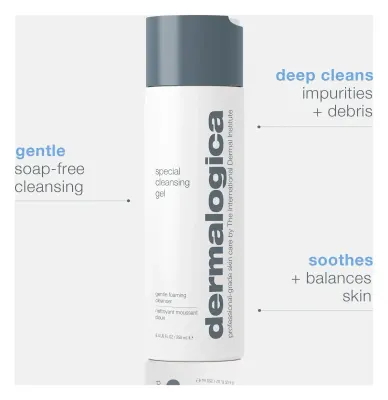 Dermalogica special cleansing gelAmazon
 Perricone MD Cold Plasma Plus+ Daily Detox Clay CleanserAmazon
 Sulwhasoo Concentrated Ginseng Rejuvenating Cleansing FoamAmazon
 Sulwhasoo Gentle Cleansing FoamAmazon
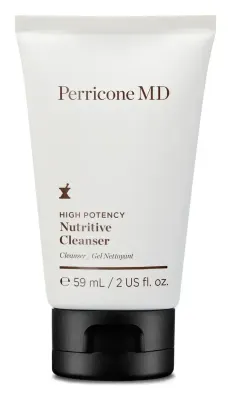 Perricone MD High Potency Classics Nutritive CleanserAmazon
 Perricone MD Neuropeptide Pore-Refining & Resurfacing Cream CleanserAmazon
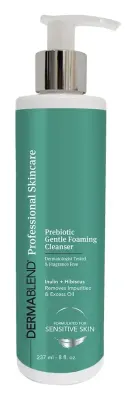 Dermablend Prebiotic Gentle Foaming CleanserAmazon
 Elemis Superfood Facial WashAmazon
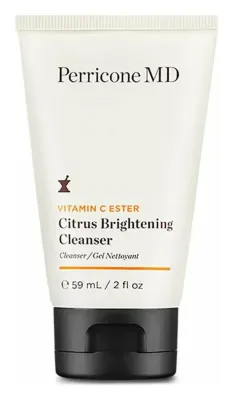 Perricone MD Vitamin C Ester Citrus Brightening CleanserAmazon
Hydrating Serums, Essences & Ampoules (12)
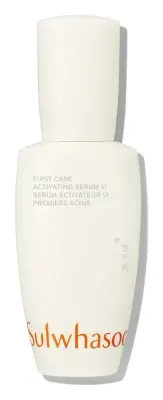 Sulwhasoo First Care Activating Serum VIAmazon
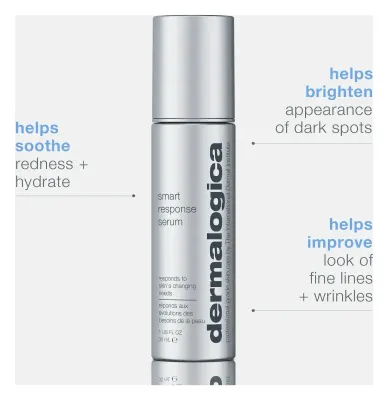 Dermalogica Smart Response SerumAmazon
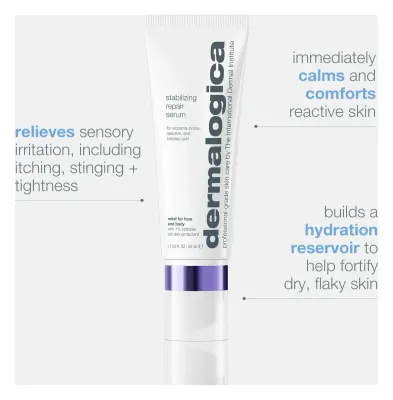 Dermalogica stabilizing repair face + body serumAmazon
 COSRX The 6 Peptide Skin Booster SerumAmazon
 COSRX The Hyaluronic Acid 3 SerumAmazon
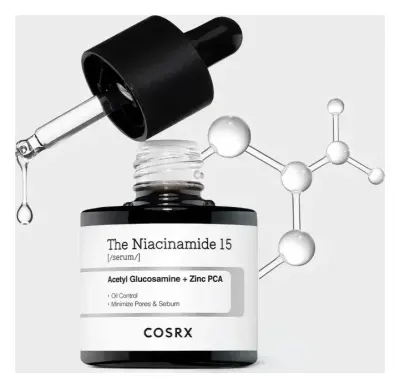 COSRX The Niacinamide 15 SerumAmazon
 Dermalogica circular hydration serum with hyaluronic acidAmazon
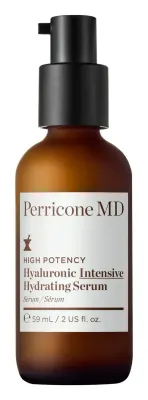 Perricone MD High Potency Hyaluronic Intensive Hydrating SerumAmazon
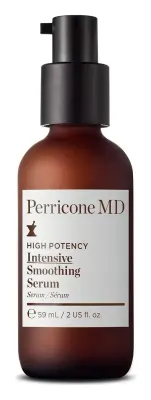 Perricone MD High Potency Intensive Smoothing SerumAmazon
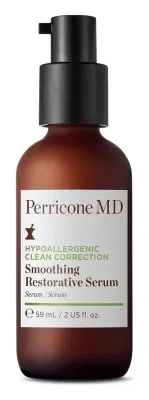 Perricone MD Hypoallergenic Clean Correction Smoothing Restorative SerumAmazon
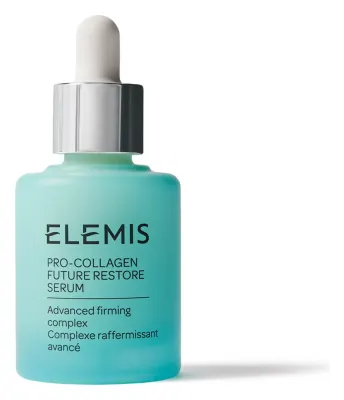 Elemis Pro-Collagen Future Restore SerumAmazon
 Elemis ULTRA SMART Pro-Collagen Complex SerumAmazon
Body Creams, Butters & Body Oils (12)
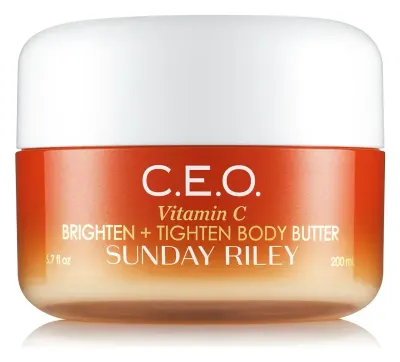 Sunday Riley C.E.O. Body ButterAmazon
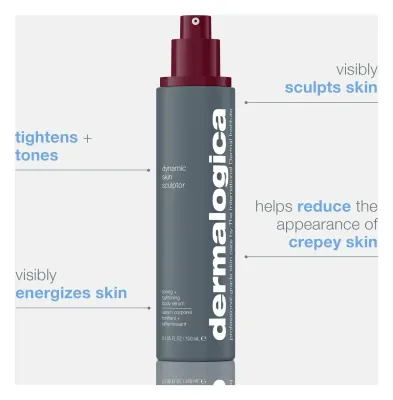 Dermalogica dynamic skin sculptor body serumAmazon
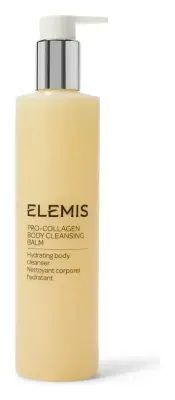 Elemis Pro-Collagen Body Cleansing BalmAmazon
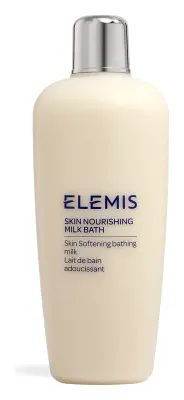 Elemis Skin Nourishing Milk BathAmazon
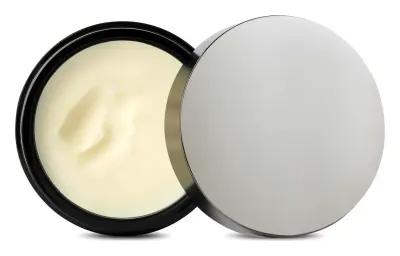 Perricone MD Cold Plasma Plus + The Intensive Hydrating Body BalmAmazon
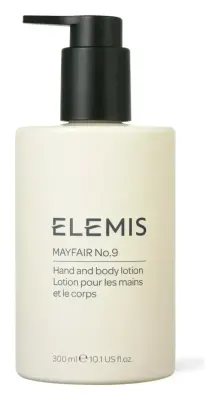 Elemis Mayfair No.9 Hand & Body LotionAmazon
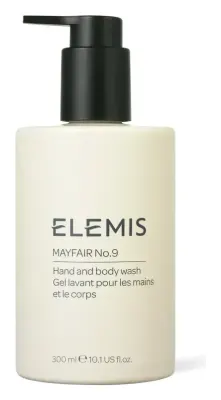 Elemis Mayfair No.9 Hand & Body WashAmazon
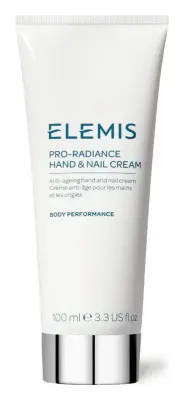 Elemis Pro-Radiance Hand & Nail CreamAmazon
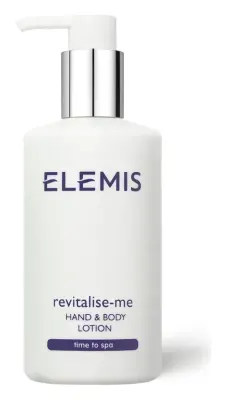 Elemis Revitalise-Me Hand & Body LotionAmazon
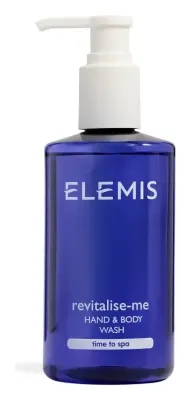 Elemis Revitalise-Me Hand & Body WashAmazon
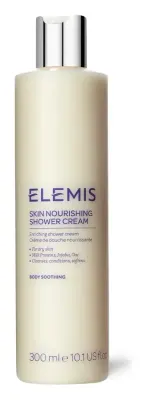 Elemis Skin Nourishing Shower CreamAmazon
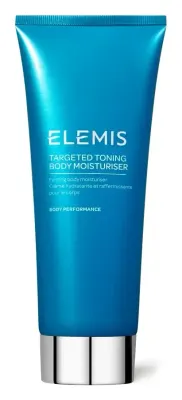 Elemis Targeted Toning Body MoisturiserAmazon
Eye Creams & Under-Eye Patches (11)
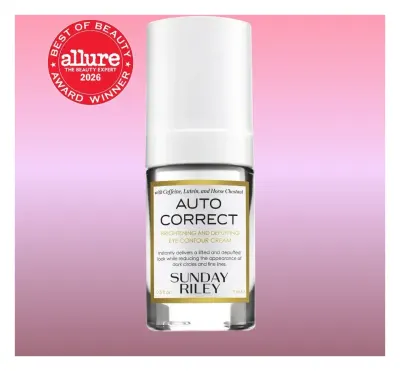 Sunday Riley Auto Correct Brightening + Depuffing Eye CreamAmazon
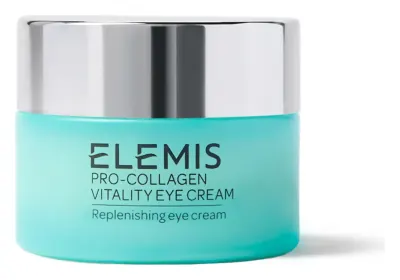 Elemis Pro-Collagen Vitality Eye CreamAmazon
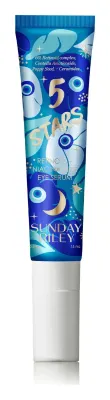 Sunday Riley 5 Stars Retinol + Niacinamide Eye SerumAmazon
 Dermalogica age reversal eye complexAmazon
 Dermalogica biolumin-c vitamin c eye serumAmazon
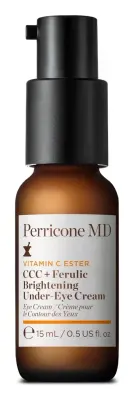 Perricone MD Vitamin C Ester CCC + Ferulic Brightening Under-Eye CreamAmazon
 Perricone MD High Potency Triple Retinol Renewal Eye SerumAmazon
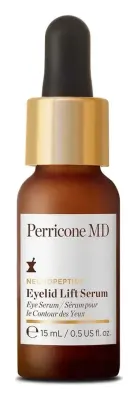 Perricone MD Neuropeptide Eyelid Lift SerumAmazon
 Perricone MD No Makeup Instant Blur Priming Eye CreamAmazon
 Elemis Pro-Collagen Future Restore Eye SerumAmazon
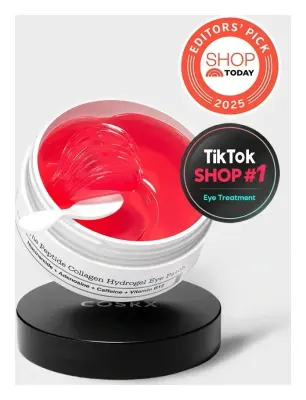 COSRX The Peptide Collagen Hydrogel Eye PatchAmazon
Hydrating Toners, Essence Waters & Face Mists (10)
 Dermalogica antioxidant hydramistAmazon
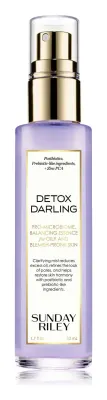 Sunday Riley Detox Darling Clarifying MistAmazon
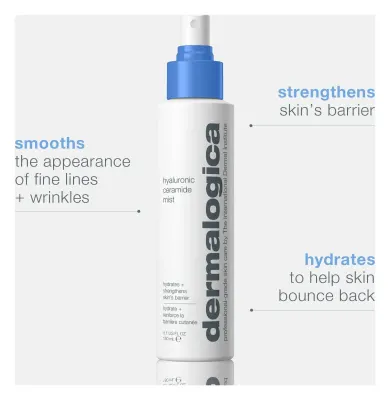 Dermalogica hyaluronic ceramide mistAmazon
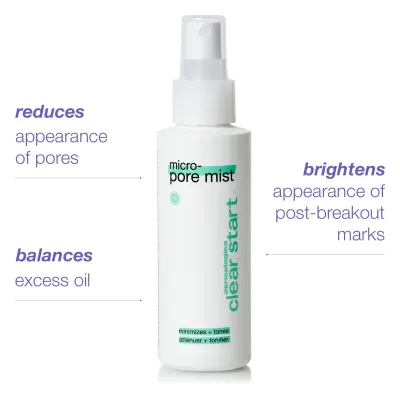 Dermalogica micro-pore mistAmazon
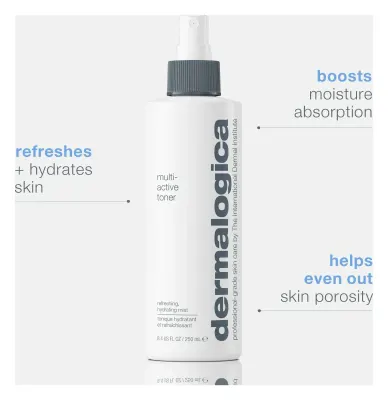 Dermalogica multi-active tonerAmazon
 Perricone MD Cold Plasma Plus+ The EssenceAmazon
 Perricone MD High Potency Face Finishing & Firming TonerAmazon
 Perricone MD Hypoallergenic Clean Correction Rebalancing ElixirAmazon
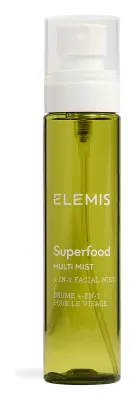 Elemis Superfood Multi MistAmazon
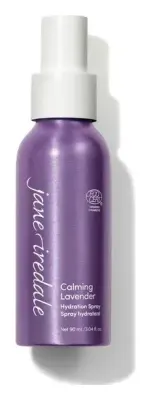 Jane Iredale Calming Lavender Hydration SprayAmazon
Anti-Aging & Retinoid Serums (8)
 Dermalogica dynamic skin retinol serumAmazon
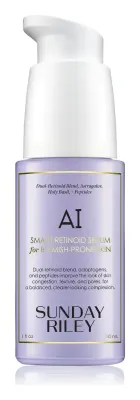 Sunday Riley A.I. Smart Retinoid SerumAmazon
 Perricone MD High Potency Triple Retinol Renewal SerumAmazon
 Dermalogica futurecode booster damage-correcting longevity serumAmazon
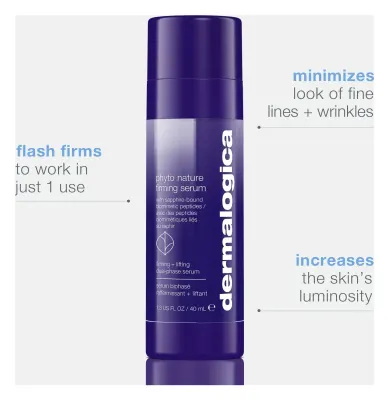 Dermalogica phyto nature firming serumAmazon
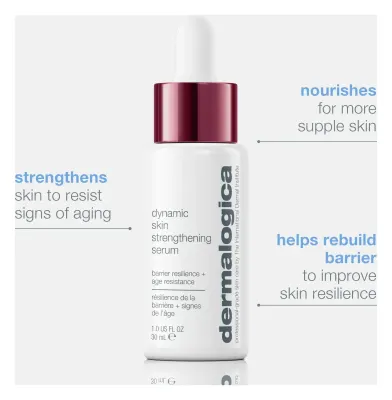 Dermalogica dynamic skin strengthening serumAmazon
 Perricone MD High Potency Retinol Recovery Overnight MoisturizerAmazon
 Perricone MD Neuropeptide Firming Facial ConcentrateAmazon
Daily Sunscreens & SPF Moisturizers (6)
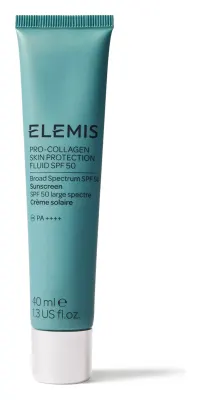

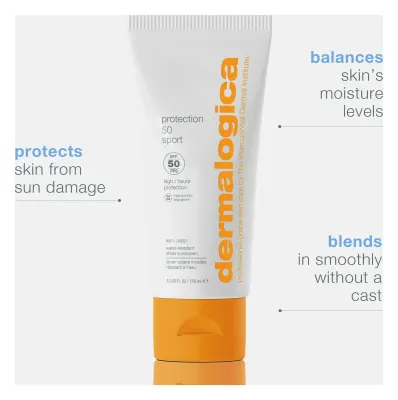
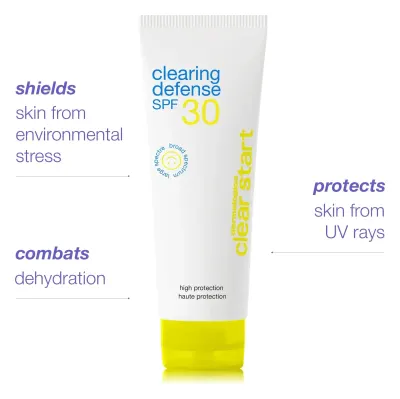
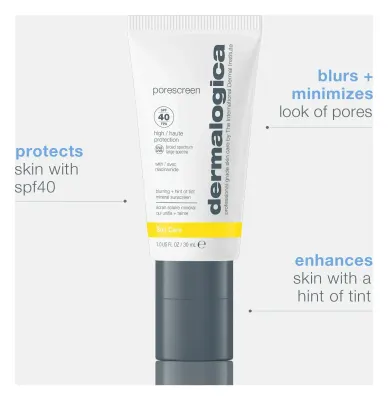
Premium Double-Cleansing Balms & Melting Gels (5)
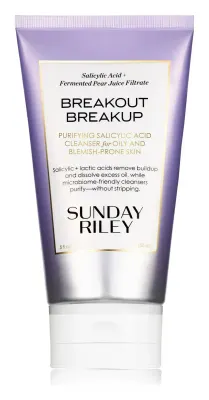
Targeted Vitamin C & Brightening Correctors (5)

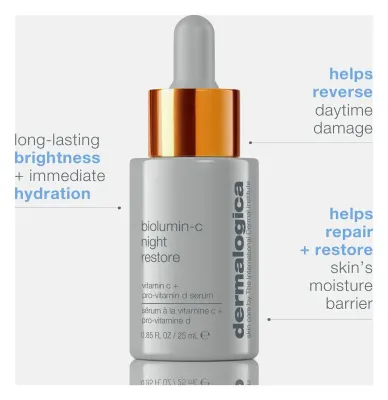
Cream & Gel Treatment Masks (4)


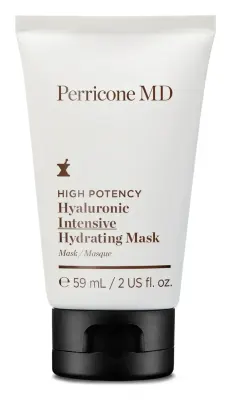
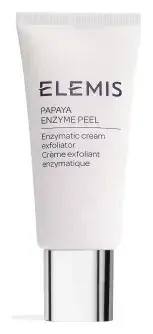
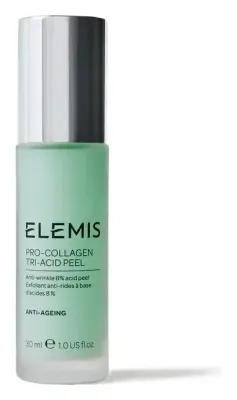
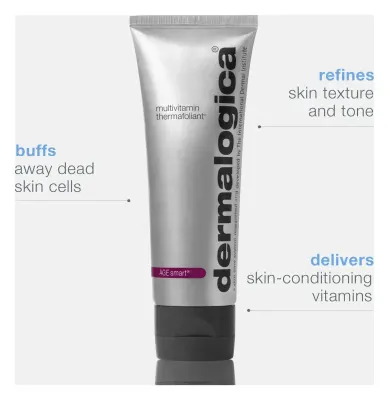
Physical & Enzyme Face Exfoliants (3)
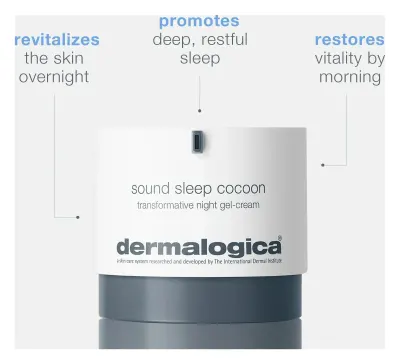
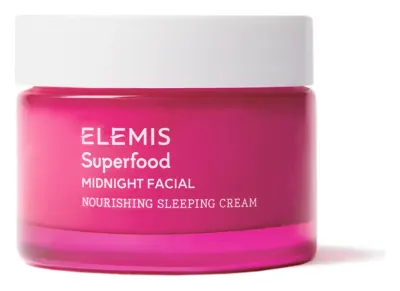
Premium Overnight Recovery Packs & Sleeping Facials (3)

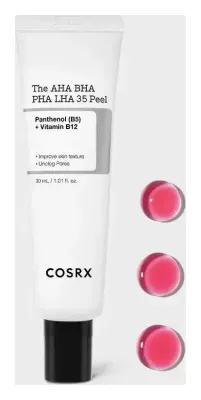
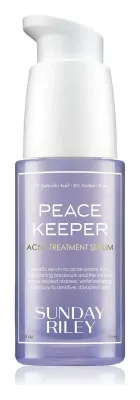
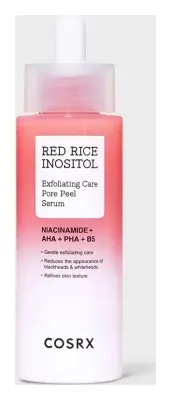
Dermatological Acne & Chemical Exfoliating Liquids (3)
Mineral Pressed Powders & Skin-Nourishing Primers (3)
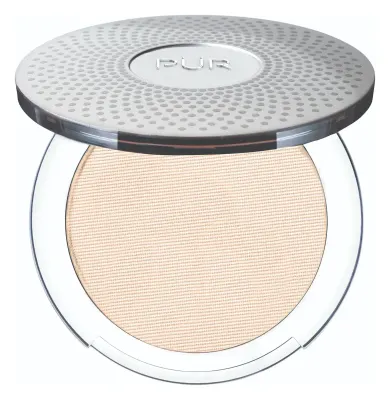
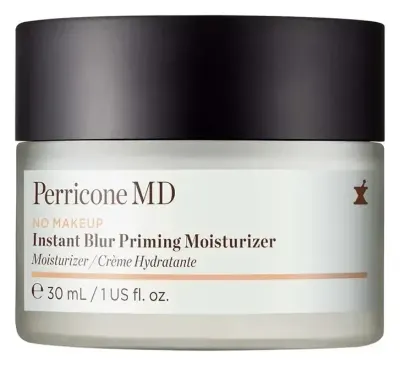
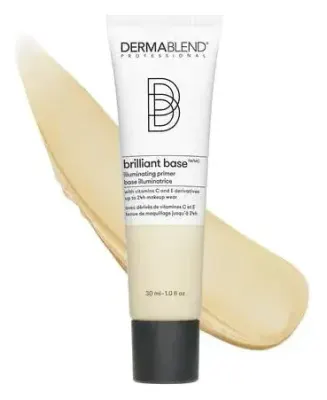
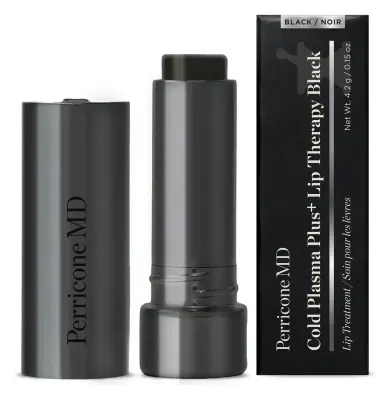
Intensive Lip Recovery Masks & Tinted Balms (2)
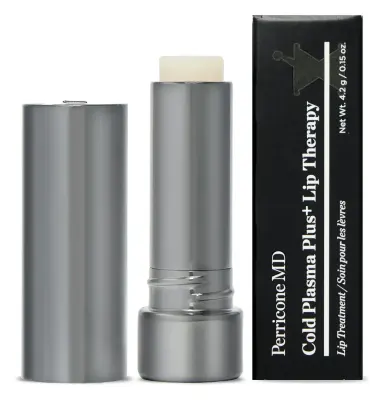
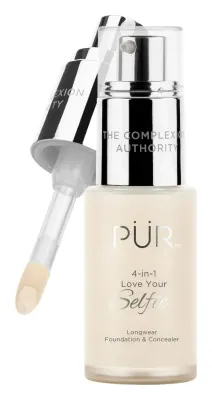
High-Definition Camouflage Concealers (2)

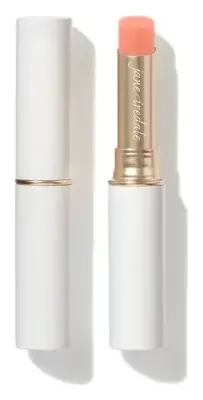
Lipsticks, Glosses & Lip Liners (2)
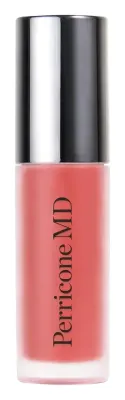
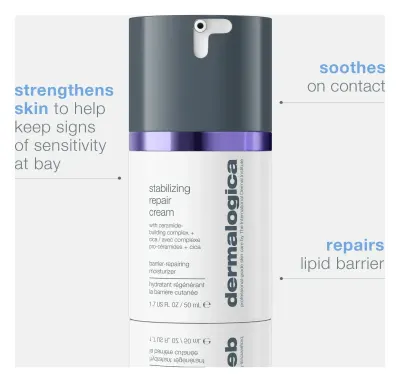
Skin Barrier Repair Creams & Recovery Jars (1)
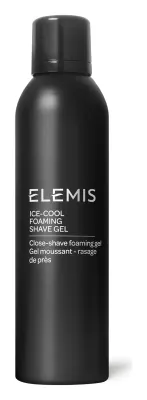
Shaving Creams, Gels & Oils (1)
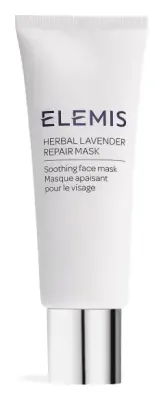
Sheet, Hydrogel & Clay Masks (1)
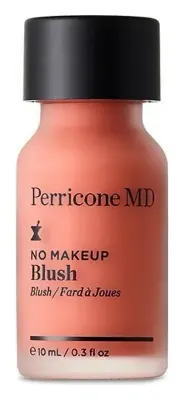
Blush, Bronzers & Highlighters (1)
Common questions
What does citric acid do in skincare?
It is commonly used to adjust or buffer a product's pH. In a separate, purpose-built formula, an alpha hydroxy acid can also be used for exfoliation, but its name alone does not tell you its amount or role here.
Is citric acid in skincare the same as lemon juice?
No. Cosmetic citric acid is a defined ingredient, while lemon juice is a mixture that varies. A product containing citric acid is not the same as applying citrus juice to your face.
Can citric acid irritate skin?
It depends on the formula, including its concentration and pH. A small pH-adjusting amount is different from an exfoliating acid product, and sensitive skin can react to either.
Is citric acid natural?
Citric acid occurs naturally in citrus and other foods, and commercial material is commonly made by fermentation. The label does not identify its source.